
Installing a silo anti-blocking machine correctly is just as important as choosing the right equipment. Improper installation can reduce cleaning performance, create new blockage points, increase maintenance costs, or even damage the drive system.
This guide explains the complete silo anti-blocking machine installation process—from mounting position and flange connection to commissioning and maintenance—for power plants, cement plants, and bulk material handling facilities.
1. Install the Machine Where Blockages Actually Occur
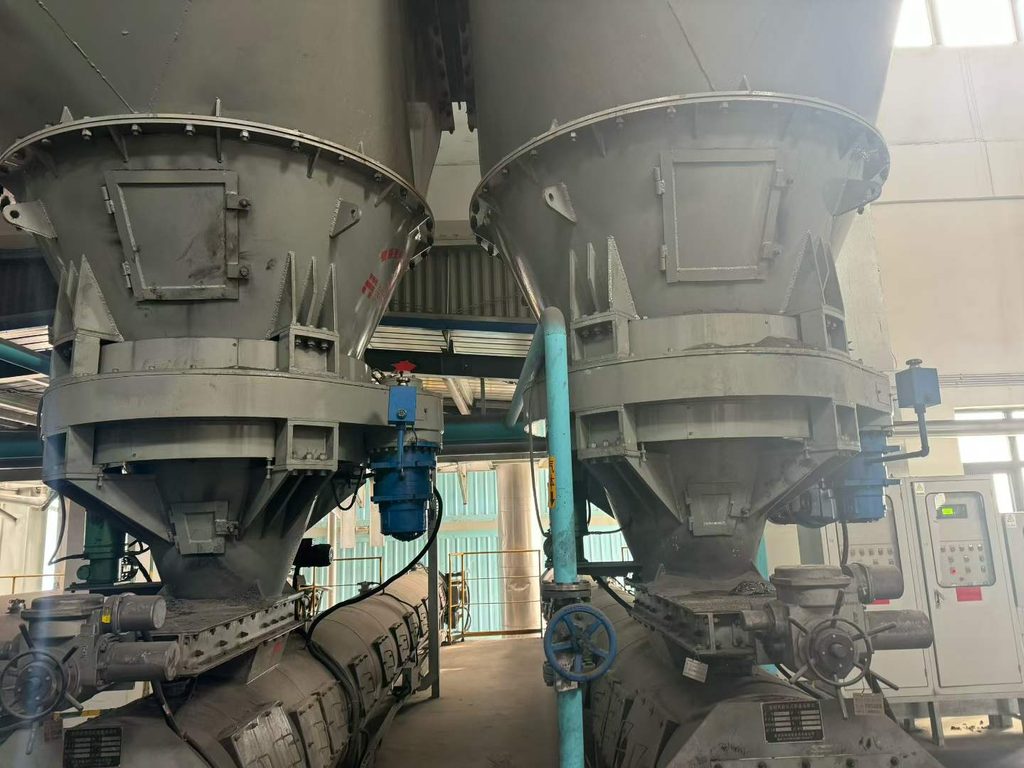
The mounting position has the greatest influence on cleaning performance.
In many industrial silos, blockage tends to develop in the discharge cone and outlet transition area, where material forms:
- Bridging
- Ratholing
- Wall buildup
Rather than installing the machine higher in the silo, position the scraper so it directly covers the critical discharge zone between the silo outlet and the downstream feeder.
Avoid Creating New Dead Zones
Retrofit projects have shown that mounting the machine too high can leave an uncovered section between the slide gate and feeder, creating another blockage point.
Checklist
- Cover the outlet transition.
- Match scraper reach to the hopper cone.
- Verify clearance for downstream equipment.
2. Use Proper Flange Connections
Most rotary anti-blocking machines use bolted flange connections.

Typical installation sequence:
- Connect the upper flange to the silo outlet.
- Connect the lower flange to the slide gate.
- Install the slide gate above the feeder.
- Tighten all bolts after scraper assembly.
Retrofit Installation Steps
For existing silos, the typical process includes:
- Empty the silo.
- Cut the opening according to drawings.
- Lift the machine into position.
- Connect upper and lower sections.
- Install the control cabinet.
- Complete commissioning.
The flange-mounted structure minimizes modifications, making it suitable for retrofit projects.
3. Sealing Is Essential
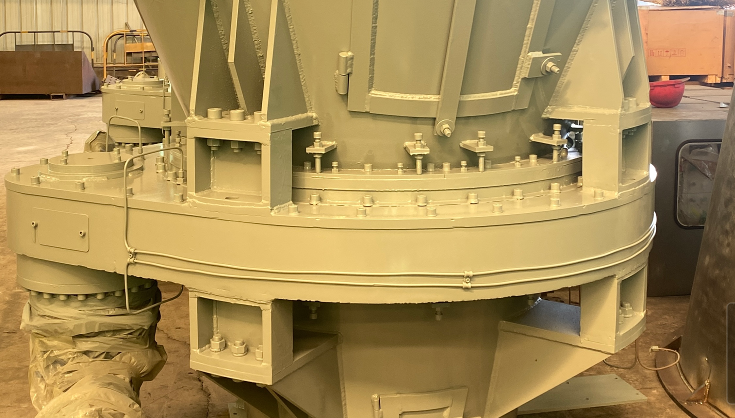
A rotating machine always contains moving sealing surfaces.
Common sealing solutions include:
- Oil-lubricated seals
- Labyrinth seals
- Packing seals
- Mechanical seals
A well-designed sealing system helps prevent:
- Dust leakage
- Air leakage
- Lubricant loss
Plan Maintenance Access During Retrofit
Maintenance platforms should be included in retrofit projects so operators can inspect seals and lubrication points safely.
4. Commission the Control System Properly
Modern anti-blocking machines typically support:
- Local operation
- Automatic operation
- Remote DCS control
During commissioning, verify the following functions.
Interlocks
The machine should only start when:
- The slide gate is fully open.
- The feeder is running.
Automatic Start
When blockage or material starvation is detected, the machine can automatically start and stop after flow returns.
Overload Protection
If a foreign object jams the scraper, overload protection—or reverse rotation where equipped—helps protect the drive system.
Rotation Check
Confirm the motor rotates in the specified direction before full operation.
Timer Settings
Many systems use adjustable cyclic operation, with intervals configured according to site requirements.
5. Testing and Acceptance
After installation, follow a structured acceptance procedure.
| Stage | Inspection Item |
|---|---|
| Before startup | Bolts, flanges, seals |
| No-load test | Rotation and vibration |
| Load test | Current and temperature |
| Functional test | Interlocks and protection |
Stop immediately if abnormal noise, excessive current, or overheating occurs.
Manufacturers commonly provide commissioning support, operator training, and warranty service after acceptance.
6. Maintenance After Installation
Installation is only the beginning.
A preventive maintenance program helps maintain long-term discharge performance.
Recommended Routine Checks
- Inspect gearbox lubrication.
- Check scraper wear.
- Tighten flange bolts.
- Inspect seals.
- Clean accumulated material.
Lubrication
Lubricate bearings and rotating components according to the manufacturer’s maintenance schedule.
Easy Scraper Replacement
For example, HNMY’s rotary anti-blocking machine allows scraper replacement from outside the silo, reducing downtime and improving maintenance safety.
Conclusion
Successful silo anti-blocking machine installation depends on correct positioning, reliable flange connections, effective sealing, proper commissioning, and ongoing maintenance.
A professional installation process can significantly improve discharge reliability while reducing downtime and maintenance costs.