
Indonesia’s power grid heavily relies on coal-fired generation, making stable coal feeding essential for consistent plant operation. Within a thermal power plant, the coal bunker provides temporary storage and helps maintain a continuous supply of coal to the boiler.
Coal bunker blockage in Indonesia can interrupt coal feeding, cause unstable boiler operation, and reduce unit load. In severe cases, a blocked bunker may contribute to an unplanned shutdown or require manual cleaning.
Indonesia’s tropical climate can make coal handling more challenging. High humidity, seasonal rainfall, and changes in coal properties can affect the flowability of coal stored in bunkers. Fine particles and moisture can contribute to wall buildup, caking, bridging, and ratholing, particularly when coal remains under pressure for a long period.
For this reason, effective blockage prevention cannot rely solely on post-failure clearing. The coal properties, bunker condition, storage practices, and flow-aid system should all be considered.
What Causes Coal Bunker Blockage in Indonesia?
Coal bunker blockages at Indonesian thermal plants stem from multiple on-site and environmental factors.
1. Coal Properties and Moisture Content
Coal flow performance is highly sensitive to particle fineness, moisture and bulk density. Most Indonesian power coal contains large amounts of fine powder, which becomes highly cohesive when damp and easily adheres to bunker walls.
Changes in coal quality can also affect bunker performance. A bunker that operates normally with one coal blend may experience more frequent flow problems after the moisture content, fines content, or other material properties change.
2. High Humidity and Rainy Conditions
Indonesia’s year-round high humidity and intense monsoon seasons continuously complicate on-site coal storage.
During periods of high humidity or heavy rainfall, moisture can enter the coal handling system through damaged covers, poorly sealed inspection openings, or other exposed areas.
Moisture can increase the tendency of fine coal to stick together and adhere to bunker walls. Over time, buildup may become harder and reduce the effective flow area around the discharge section.
For outdoor or semi-enclosed coal handling systems, keeping rainwater and humid air out of the bunker as far as practical is an important part of blockage prevention.
3. Bunker Design and Aging Equipment
Many on-site coal bunkers were designed decades ago based on outdated coal quality standards, which no longer match current fuel characteristics.
If the coal being handled has changed significantly over the years, the original hopper angle, outlet size, or internal surface condition may no longer provide ideal flow conditions.
Wear and buildup on the bunker wall can further increase flow resistance.
Many plants also use conventional flow-aid equipment such as vibrators or air cannons. While these conventional aids work for minor temporary jams, they struggle with hardened, compacted coal and persistent wall buildup.
When coal has already become heavily compacted or has formed a strong buildup, intermittent vibration or impact may not provide sufficient movement of the stagnant material.
4. Long Storage Time and Compaction
Coal stored in a bunker is subjected to the pressure of the material above it. Prolonged static storage increases material compaction, especially in the lower sections of the bunker.
High bunker levels can also increase the pressure acting on lower layers of coal.
When discharge begins, some coal may flow through the outlet while other areas remain stagnant. This uneven flow pattern can lead to ratholing, while strongly compacted material above the outlet may form a bridge.
Common Coal Bunker Flow Problems
Coal bunker blockage does not always begin with a complete blockage. Several flow problems may develop before the outlet becomes fully obstructed.
Bridging
Bridging forms when compacted coal creates a solid arch above the outlet, stopping material flow entirely even with a full bunker. The arch prevents the material above it from moving normally and can stop discharge completely.
Ratholing
Ratholing describes a preferential flow pattern where only a central channel discharges, leaving large volumes of surrounding coal stagnant.
Although the outlet may continue to discharge for some time, a large quantity of coal can remain inside the bunker. This reduces effective storage capacity and may increase the risk of further compaction and buildup.
Wall Buildup
Fine and moist coal can adhere to bunker walls and accumulate over time. As the buildup becomes thicker, it can reduce the available flow area and contribute to unstable discharge or blockage.
These problems are often related. For example, wall buildup and stagnant material can change the internal flow pattern and increase the likelihood of bridging or ratholing.
How to Prevent Coal Bunker Blockage in Indonesia
1. Control Coal Moisture and Prevent Water Ingress
Moisture management should be one of the first considerations when dealing with recurring coal bunker blockage.
Plant operators can:
- Monitor incoming coal moisture where practical.
- Maintain bunker covers and inspection openings.
- Check seals and exposed areas for water ingress.
- Minimize unnecessary exposure to rain and humid air.
- Avoid keeping moisture-sensitive coal in a static condition for longer than necessary.
The appropriate moisture range depends on the coal type and plant process, so operating limits should be determined according to actual site conditions.
2. Improve Bunker Flow Conditions
For new coal bunkers, hopper geometry and outlet dimensions should be selected according to the expected coal properties and required discharge capacity.
For existing bunkers, complete reconstruction is not always necessary.
If the main bunker structure remains suitable for operation, a targeted retrofit can be considered around the hopper, discharge area, or other locations where buildup and blockage repeatedly occur.
This can reduce the amount of structural modification required and may help limit plant downtime during the upgrade.
3. Use Active Mechanical Flow-Aid Equipment
For bunkers suffering recurring arching, ratholing and wall accumulation, active mechanical anti-block systems deliver more reliable long-term improvement.
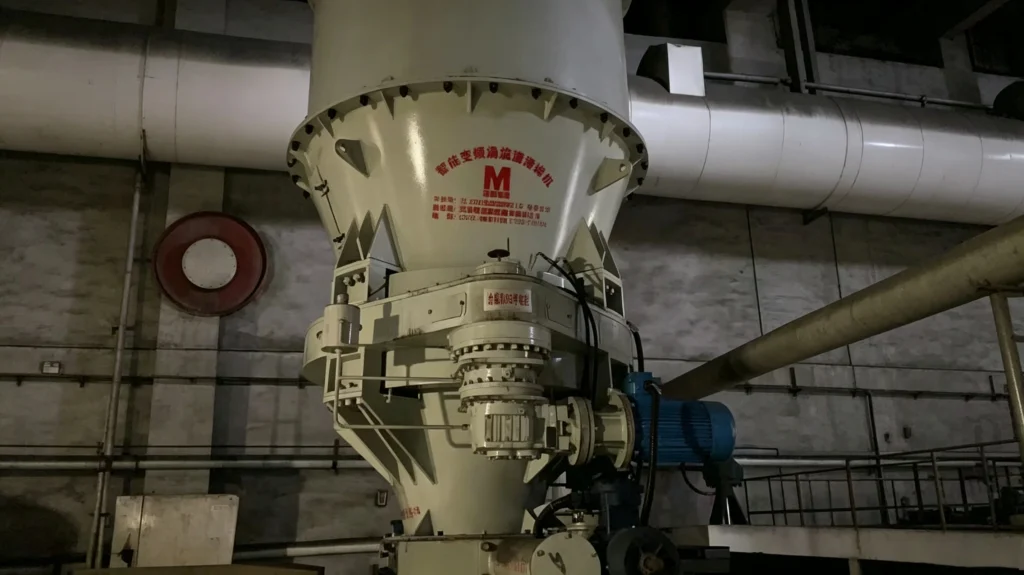
HNMY’s Rotary Silo Blockage Cleaning Machine uses a rotating mechanical structure to disturb stagnant material and improve material movement around areas prone to buildup.
The equipment is designed to work with the existing bunker structure and can be configured according to bunker dimensions, outlet arrangement, coal properties, and site conditions.
The purpose is not simply to clear coal after a complete blockage has occurred. A properly selected mechanical flow-aid system can help reduce stagnant zones and improve the consistency of material movement during discharge.
For existing coal bunkers, this type of retrofit can be considered when conventional flow-aid methods do not adequately address recurring buildup or blockage.
4. Reduce Excessive Static Storage
Long residence times can increase the risk of compaction and buildup in fine or moisture-sensitive coal.
Where the plant process allows, coal inventory and discharge should be managed to avoid unnecessary long-term stagnation.
Routine inspections should focus on:
- Coal buildup on bunker walls
- Discharge outlet condition
- Changes in coal flow rate
- Localized caking
- Ratholing or preferential flow
- Repeated blockage at the same location
Identifying these signs early can reduce the need for emergency manual cleaning.
Retrofitting Existing Coal Bunkers in Indonesian Power Plants
Many coal bunkers in operating power plants cannot simply be replaced or completely rebuilt. Major structural reconstruction can require significant engineering work, extended downtime, and substantial investment.
When the existing bunker structure is still serviceable, coal bunker retrofit can be a practical alternative.
A retrofit assessment should consider:
- Bunker dimensions
- Hopper angle
- Outlet size and arrangement
- Coal moisture and particle size
- Typical blockage location
- Wall buildup condition
- Existing air cannons or vibrators
- Required coal discharge capacity
Based on these factors, mechanical flow-aid equipment or other targeted modifications can be selected for the specific bunker.
HNMY provides customized coal bunker anti-blocking solutions for existing installations. The equipment can be designed around the existing bunker structure to improve coal flow while minimizing major structural changes.
Why Preventing Coal Bunker Blockage Matters
A recurring coal bunker blockage can affect more than the bunker itself.
Unstable coal discharge may result in:
- Fluctuating coal feed
- Reduced boiler load
- Additional operator intervention
- Increased maintenance work
- Manual blockage-clearing operations
- Higher risk of unplanned downtime
For a thermal power plant, maintaining a reliable coal flow path is therefore an important part of overall fuel-handling reliability.
Conclusion
Coal bunker blockage in Indonesian power plants is a combined result of tropical humidity, variable coal quality, aging bunker geometry and outdated flow-aid systems. Instead of relying on emergency clearing, plants should adopt moisture control, standardized storage management and mechanical anti-block retrofits to stabilize coal flow. Targeted bunker upgrades offer a cost-effective alternative to full reconstruction, helping local power plants minimize manual intervention and unplanned downtime.