
Coal silo blockage in Vietnam is a recurring problem for coal-fired power plants and other industrial facilities handling bulk coal. In many cases, the silo itself is not the only issue. Changes in coal properties, high humidity, long storage periods, and aging discharge equipment can gradually make an existing silo more difficult to operate.
For plants that have been running for years, replacing the entire silo is usually not the first option. A more practical approach is to identify where coal flow is being restricted and determine whether the existing silo can be modified or equipped with a suitable blockage-clearing system.
This article focuses on the conditions that can contribute to coal silo blockage in Vietnam and the retrofit options available for existing coal silos.
1. Why Coal Silo Blockage Can Be Difficult to Control in Vietnam
Vietnam’s climate can create additional challenges for plants storing and handling coal.
High humidity and frequent rainfall can increase the moisture content of coal during storage and handling. Fine coal can become more cohesive when moisture increases, making it easier for material to stick to silo walls or form compacted areas.
The problem can become more noticeable when coal sources or grades change. Different coal may have different moisture levels, particle sizes, ash contents, and flow characteristics. An existing silo that previously handled one type of coal without major problems may experience poor discharge after the material properties change.
For this reason, a coal silo blockage in Vietnam should be assessed according to the actual material and operating conditions rather than treated as a standard equipment failure.
2. Common Coal Flow Problems in Vietnamese Power Plants
Coal blockage does not always start as a complete obstruction at the outlet. It may develop gradually inside the silo.
Typical problems include:
- Coal buildup on the silo wall
- Bridging across the flow channel
- Ratholing and uneven discharge
- Fine coal accumulation in dead zones
- Caking caused by moisture and compaction
- Restricted flow at the outlet
- Unstable coal feeding to downstream equipment
These problems can occur together. For example, wall buildup can reduce the effective flow area, while fine coal accumulating above the outlet can eventually form a bridge.
Once a blockage has developed, conventional vibration or air impact may not always reach the actual buildup area effectively. This is one reason why some plants continue to experience repeated blockage after installing or adjusting conventional clearing equipment.
3. Existing Silo Conditions That Can Increase Blockage Risk
Many operating plants have silos that were designed and installed under different production conditions.
The coal being handled today may be different from the material used when the silo was originally designed. At the same time, internal surfaces, outlets, gates, feeders, and existing blockage-clearing equipment may have experienced years of operation.
Several conditions deserve attention during an inspection:
Silo Geometry
The shape and dimensions of the silo affect how coal moves toward the outlet. Certain areas may have slower material movement or become dead zones where fines accumulate.
Internal Wall Condition
Rough or damaged surfaces can make coal more likely to remain on the wall. Once buildup starts, the accumulated material can become harder to remove.
Outlet and Chute
A restricted outlet or unsuitable chute arrangement can create a local flow problem. The blockage may then continue to develop even when the upper part of the silo appears to be flowing normally.
Existing Clearing Equipment
Air cannons and vibrators depend heavily on their installation position and the characteristics of the material. If the actual buildup is outside the effective working area, simply increasing the number or force of the devices may not solve the underlying problem.
4. Retrofit Options for Coal Silo Blockage in Vietnam
For an existing plant, a complete structural reconstruction can involve considerable downtime and modification work.
A retrofit approach allows the existing silo to remain the main structure while the internal material-flow problem is addressed.
Depending on site conditions, retrofit work may include:
- Inspection of the existing silo
- Identification of buildup and blockage areas
- Review of the existing outlet and feeder arrangement
- Adjustment or replacement of blockage-clearing equipment
- Installation of mechanical cleaning equipment
- Integration with the existing control system
- Testing under actual operating conditions
The equipment arrangement should be designed according to the silo shape, dimensions, material characteristics, outlet size, and required throughput.
There is no need to use the same cleaning arrangement for every silo.
5. When Mechanical Silo Cleaning Can Be Considered
Different blockage conditions require different approaches.
| Existing condition | Possible approach |
|---|---|
| Light or localized buildup | Vibration or air impact |
| Repeated buildup in the same area | Targeted mechanical cleaning |
| Hard or compacted coal buildup | Mechanical cleaning |
| Material accumulation in dead zones | Rotary scraper system |
| Recurring blockage despite existing clearing equipment | Review and retrofit the existing system |
Mechanical cleaning can be particularly useful when the blockage is located in areas that conventional equipment cannot effectively reach.
A rotating scraper system can be designed to move through different areas inside the silo and remove accumulated material from the wall and other difficult-to-reach zones.
For existing silos, this type of solution can address the internal buildup problem without requiring complete replacement of the storage structure.
6. Retrofitting an Existing Coal Silo Without Major Reconstruction
For many power plants, the objective is not to rebuild the silo but to improve its discharge performance while keeping the existing structure.
A retrofit project can start with a site survey and review of:
- Silo diameter and height
- Hopper and outlet dimensions
- Silo geometry
- Material characteristics
- Existing feeder and discharge equipment
- Existing blockage-clearing devices
- Available installation space
- Required coal throughput
Based on these conditions, the cleaning equipment can be customized for the existing silo.
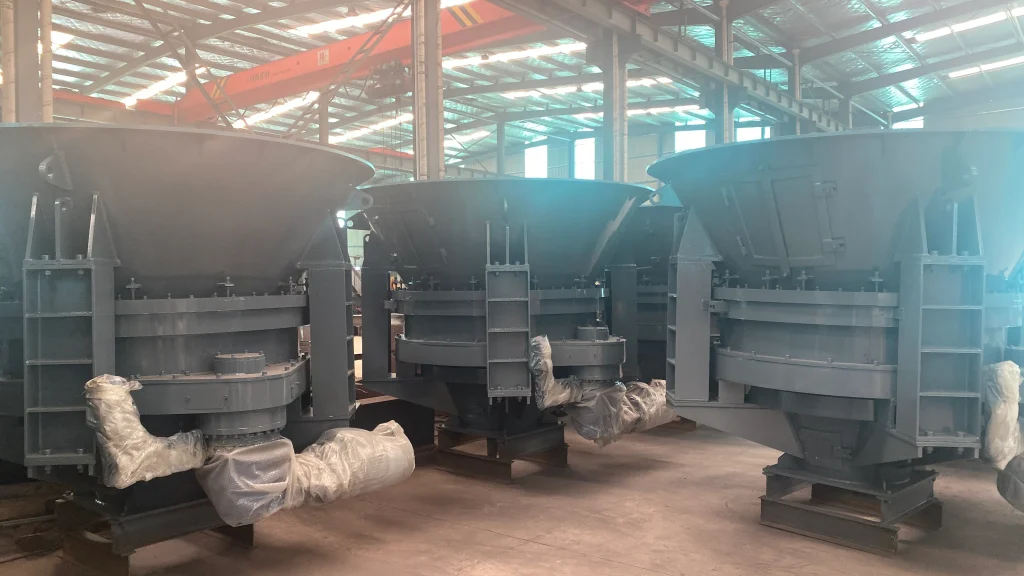
For example, an intelligent variable-inclination vortex anti-blocking system can be installed inside an existing silo. Its scraper can rotate through different positions along the internal wall, allowing the cleaning area to be adjusted according to the silo geometry and buildup location.
This type of retrofit is intended for situations where the silo structure remains usable but recurring buildup, bridging, ratholing, or poor discharge is affecting operation.
7. Reducing Recurring Coal Silo Blockage
Equipment modification is only part of the solution.
Plants should also monitor changes in coal properties, moisture, storage time, and material buildup. Regular inspection can identify developing problems before they become a complete blockage.
For existing coal silos, a practical management approach can include:
- Monitoring coal moisture and particle characteristics
- Avoiding unnecessarily long storage periods
- Checking wall buildup and dead zones
- Inspecting the outlet and feeder regularly
- Maintaining existing blockage-clearing equipment
- Reviewing the silo when coal grades or operating conditions change
If the same blockage occurs repeatedly in a particular area, the plant should investigate the flow path and the effectiveness of the existing clearing system instead of relying only on emergency manual clearing.
8. Conclusion
Coal silo blockage in Vietnam can be affected by local climate conditions, coal properties, silo geometry, equipment condition, and changes in plant operation.
For an existing power plant, the solution does not always require major reconstruction. When the silo structure remains suitable, a targeted retrofit can be considered to improve material flow and remove buildup from areas that are difficult to reach with conventional equipment.
The appropriate solution should be based on the actual silo, coal characteristics, blockage location, and existing equipment. A site-specific assessment can help determine whether operational changes, equipment adjustment, or mechanical silo cleaning is appropriate for the plant.